In the first quarter of 2026, U.S. data center construction notably slowed, with some projects coming to a standstill, totaling approximately $130 billion in value.
Power infrastructure has emerged as a development bottleneck, as data centers push U.S. electricity demand to record highs, exacerbating supply constraints.
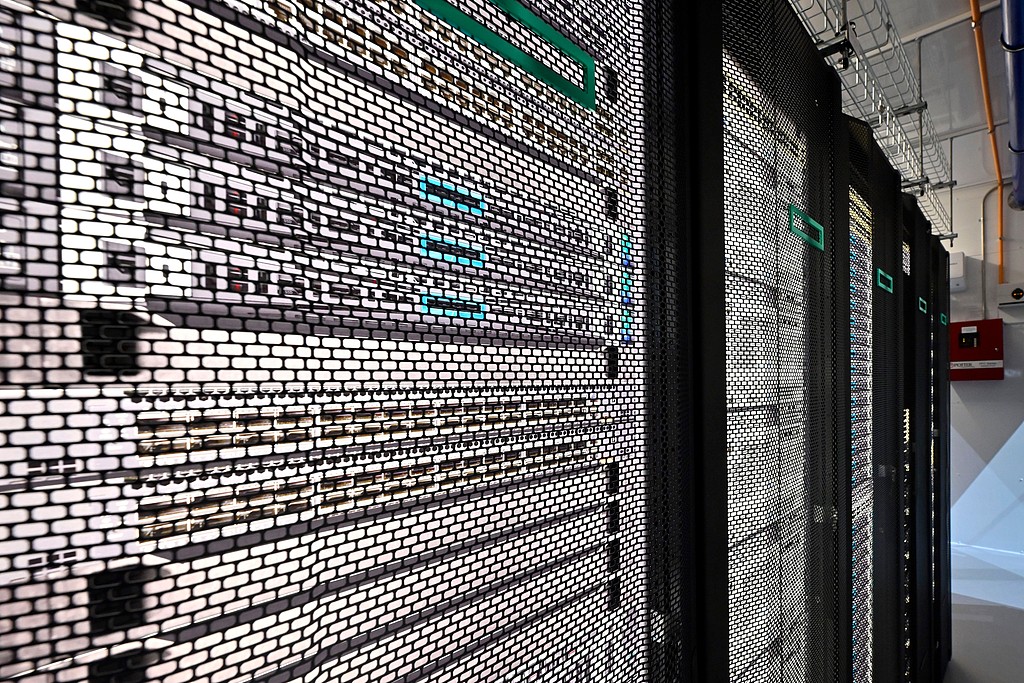
Vigorous grassroots opposition has become another major obstacle, with a surge in the number of local opposition groups and a shift in legislative policy focus toward regulatory scrutiny.
US AI infrastructure provider Crusoe, at the request of its client, has suspended development of a large-scale data center project in Cheyenne, Wyoming. The project was originally planned to integrate approximately 900 megawatts of Bloom Energy fuel cell systems, corresponding to a potential revenue opportunity of up to $2.65 billion.
FERC Intervention: Does It Make a Difference? Facing the power supply challenge, the Federal Energy Regulatory Commission (FERC), the nation’s top energy regulator, has stepped in urgently. FERC recently voted unanimously to issue directives requiring six regional grid operators under its jurisdiction to adopt concrete measures to accelerate the “grid connection speed” for data centers. FERC Chair Laura Swett emphasized: “This is the highest priority our nation currently faces.” This “race against time” aims to provide an institutional shortcut through administrative procedures. The directive requires grid operators to explain within 30 days how they will ensure generation capacity, and within 60 days to conduct comprehensive rule reforms across five areas, including efficient transmission processes and prevention of cost shifting. It also requires data center customers to bear all grid upgrade costs. Robert Montejo, partner at law firm Duane Morris, stated bluntly: “FERC is signaling that standing still is no longer an option.” Unprecedented Resistance Beyond supply-side power constraints, strong grassroots opposition is emerging as another core factor hindering data center deployment. According to a research report by Data Center Watch, the first quarter of 2026 became the period with the highest number of data center projects facing blockades and delays on record. Opponents across the United States hindered or delayed at least 75 projects within three months. The report states: “The quarter reflects a structural shift, not a cyclical surge: opposition groups have internalized a playbook, legislative sessions have introduced formal regulations, and the number of active opposition organizations nationwide has more than doubled.” The number of active grassroots opposition organizations targeting data centers across the United States surged from 396 at the end of 2025 to 833 in March, spanning 49 states. Maryland, Ohio, and Texas have become the hardest-hit areas with the highest number of opposition groups. “In many cases, opposition forces are mobilized before the project is formally filed. The mere rumor of a data center construction is enough to trigger organized resistance.” In May, hundreds of people gathered outside the Utah State Capitol to protest the proposed 40,000-acre Stratos mega-project in Box Elder County.According to a recent poll by the U.S. climate news outlet Heatmap, 71% of Americans are at least somewhat opposed to the construction of data centers near their homes. Spillover into Legislative Action Public concerns over the environment, energy costs, and quality of life have directly triggered a shift in the focus of legislative policy—from incentive-based approaches to regulatory scrutiny. Within the first six weeks of 2026 alone, over 300 related bills were introduced in state legislatures across the nation. In the first quarter, 14 states proposed statewide moratoriums on data center construction. At the federal level, Senators Bernie Sanders and Representative Alexandria Ocasio-Cortez also introduced moratorium proposals. Although none of these proposals have been formally signed into law, one did reach the desk of Maine’s Democratic Governor Janet Mills, who exercised her veto power over it in April of this year. Amid these protests, political debates have also intensified. Some Republican legislators have signed joint letters to relevant authorities, questioning whether foreign funding and disinformation campaigns might be behind the negative public opinion movement targeting critical infrastructure like AI data centers, with the aim of hindering the construction of essential facilities required for AI development. However, in interviews, the social network analysis company Graphika stated that, based on their monitoring of social media, no evidence of foreign manipulation has been found to date.